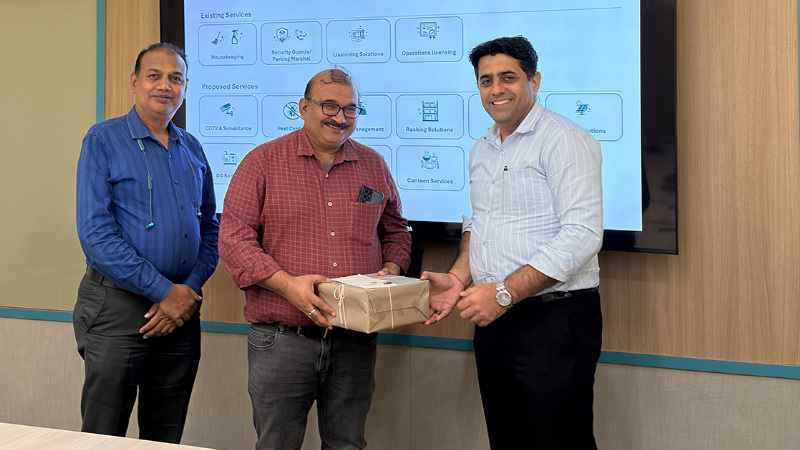
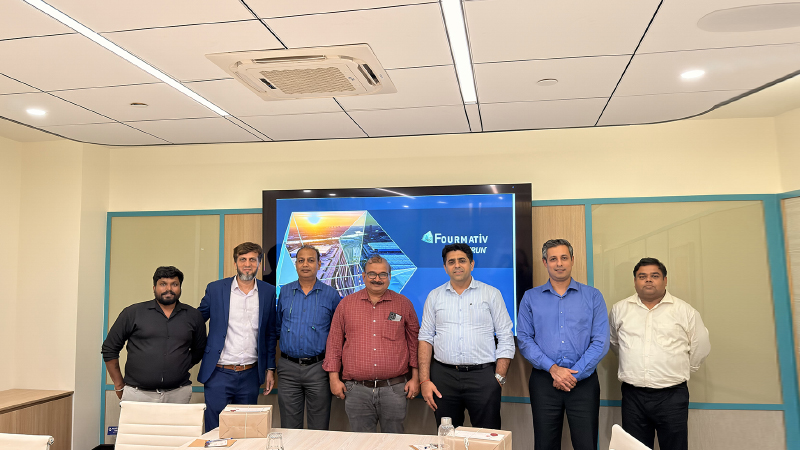
Chapter 01
Gurgaon
11th June
The Quorum
About Foursight Chapter 1
Who pays when the supply chain doesn't work as it should?
For Chapter 1, Foursight brought together leaders from across the supply chain ecosystem to put one difficult question on the table.
THE QUESTION
In the face of disruption and volatility, who actually pays for supply chain inefficiencies — the customer, the service provider or the infrastructure provider?
The conversation highlighted how businesses are responding to a more volatile operating environment through smarter planning, productivity improvements and greater operational agility. From labour and freight challenges to transportation optimisation, automation and infrastructure, the discussion underscored the importance of building stronger, more resilient supply chain ecosystems. The shared takeaway was clear: future readiness will depend on the ability to adapt, collaborate and invest with a long-term view.
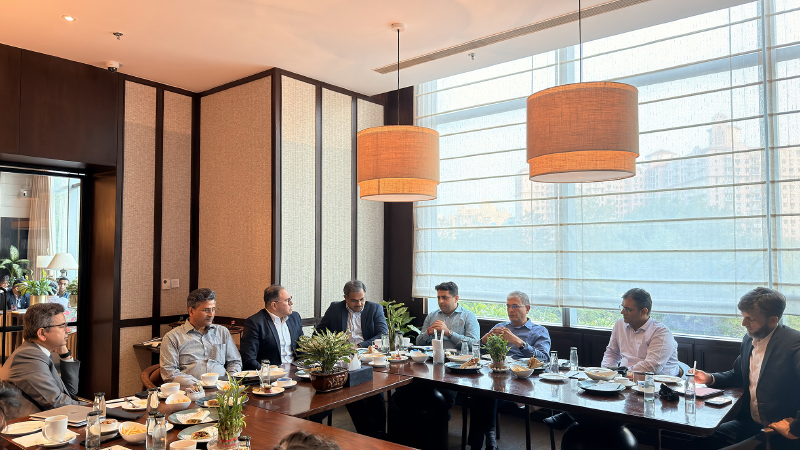
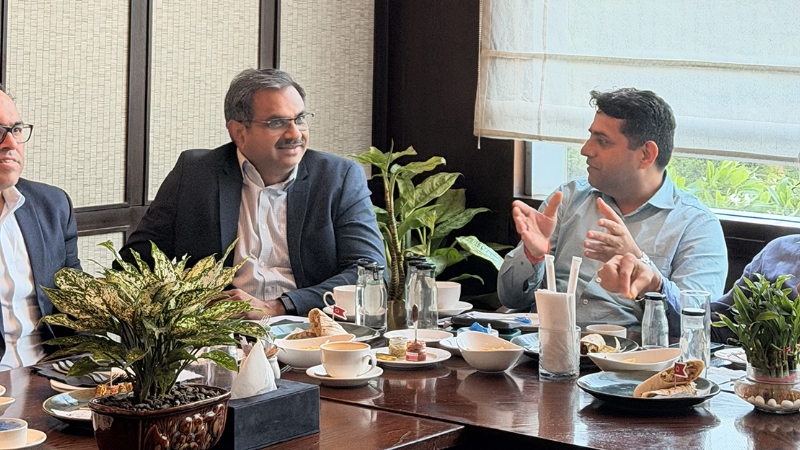
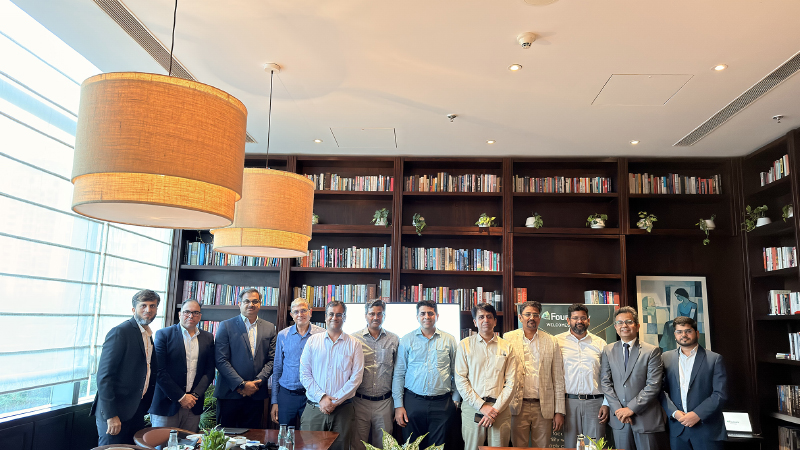
Inside the Room
A conversation, captured.
A look inside Chapter 1: the people who shaped the conversation, the ideas that surfaced and the moments in between.
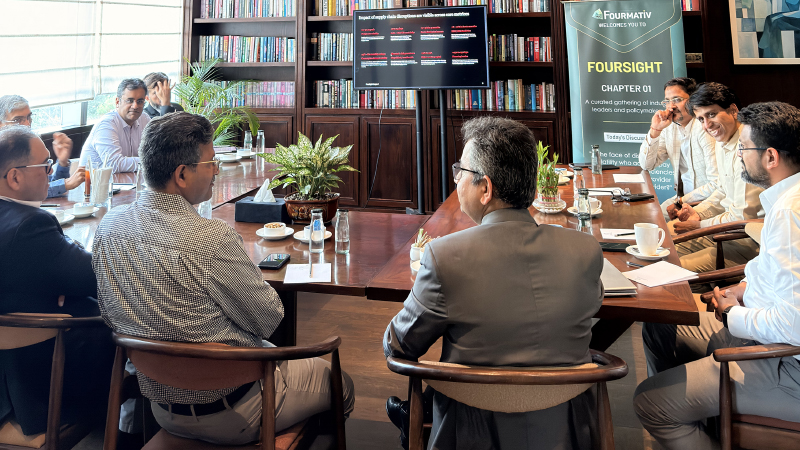
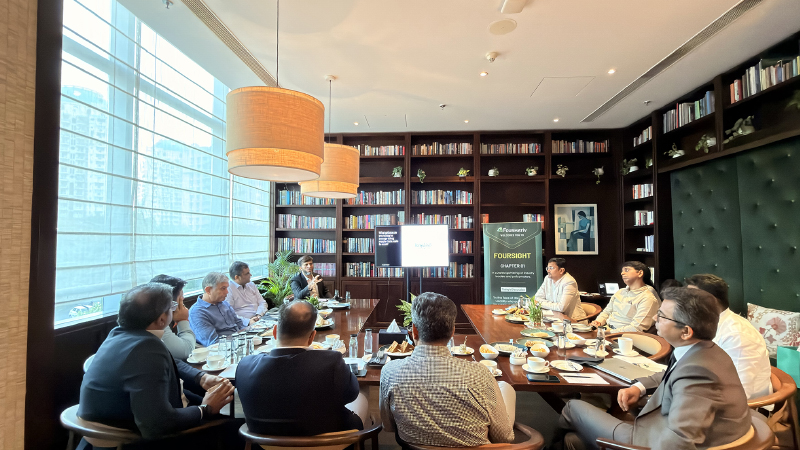

Chapter 02
Mumbai
20th August
Dextrus, Mint
About Foursight Chapter 2
Who pays when the supply chain doesn't work as it should?
For Chapter 2, Foursight brought together real estate and supply chain leaders from quick commerce and e-commerce platforms, alongside 3PL players.
The conversation focused on the infrastructure, operational and economic challenges that will shape quick commerce’s ability to scale sustainably.
THE QUESTION
Scale or Sustain? Can quick commerce survive its own success?
The conversation explored what it will take for quick commerce to sustain its extraordinary growth as the model expands across cities, categories and customer segments. While the structural demand drivers remain strong, questions around unit economics, infrastructure availability, labour, regulation and operational complexity are becoming increasingly critical. The discussion pointed to a clear challenge ahead: growth alone will not define the next phase of quick commerce — the ability to build efficient, scalable and sustainable operating models will.
Inside the Room
A conversation, captured.
A look inside Chapter 2: the people who shaped the conversation, the ideas that surfaced and the moments in between.